Disclaimer, this article is not to be substituted for professional individual physical or mental health diagnoses, treatments, or any other type of medical advice. This is just a guide of information I have collected about the practices of meditation and what it has the potential to do for those who try it. I also acknowledge that it may not work for all and that in some situations it may end up being harmful. please contact your doctor if you have been meditating but feel any adverse side effects and discontinue your practice until otherwise advised by your doctor.
What is meditation, and why should you start doing it right now?!
Got stress? Anxiety? Unhappiness? Well, what if I told you there is a way you can relive some of those negative feelings in a healthy way that has been shown to get results for a majority of the people who stick to it, would you at least try it? I am here to tell you about something you can do right now absolutely for free with a smaller number of risks than there are benefits to meditation. This has been practiced for centuries over in the eastern civilizations and started out as a way to find deep spiritual connections. Now it is used all over the east and west still for its main purpose, but also as a way to find happiness, peace, and to relieve stress. Incorporating meditation into your daily practice can benefit you greatly especially if you stick with it even when you feel like you don’t want to, or that you just don’t have the time (there are so many meditations available even ones that are just up to 5 minutes, plus you can meditate anywhere so long as it is quiet). That being said there are potential risks that can come up while meditating, especially for people who are new to the practice, we are gonna talk about what those are so that you have as much information as possible before you start out.
What is meditation?
History of meditation
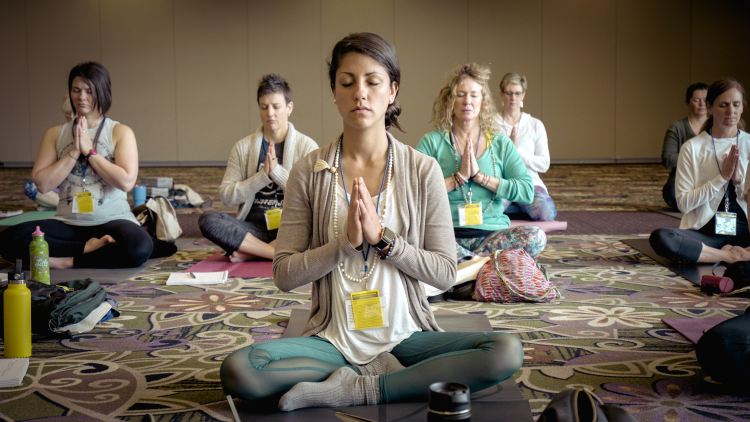
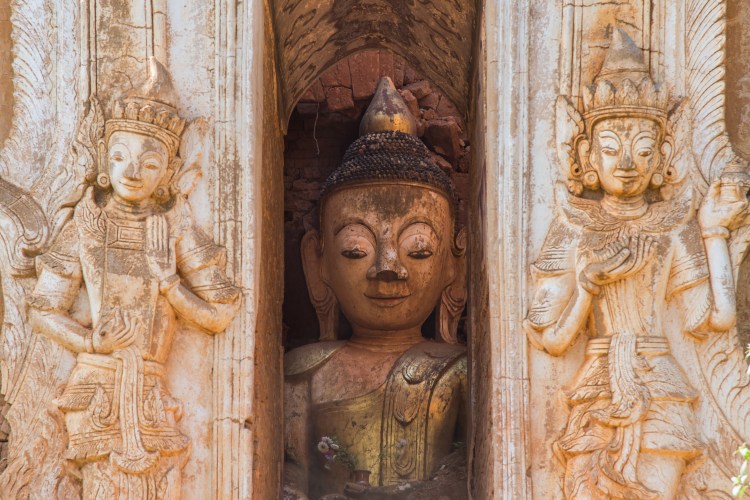
Ok, so before we get into detail about the benefits and risks of meditation, or why to do it in the first place, we need to first know what it is and it’s nice to know how it started. According to Psychology Today, there are archaeologists who place meditation as being practiced as early as 5,000 BCE. The practice also doesn’t seem to be attributed to just one religion. It has been found that meditation is a practice that was and is used in Egypt, China, within different religions like Judaism, Sikhism, Hinduism, Jainism, and the one everyone seems to know about which is Buddhism. You may be asking how did it spread to so many different places and who started it first, unfortunately, there is no agreement as to who started using meditation first, but researchers have found that it started spreading worldwide around the fifth or sixth centuries BCE throughout the Silk Road where the trade of goods and culture was common. Each new culture it would reach would adapt it to fit their styles and needs. Despite how popular the practice was becoming in the east it would be a really long time before it became more than just a religious practice, especially in the western civilization; that wouldn’t end up happening until the 20th century (I’d just like to point out we are already on the 21st century so definitely not that long ago).
What it means today
In this modern world, meditation is used mostly as a mind-body mindfulness practice that can be used alongside modern medicine. There have been many people who have meditated who were able to reach a deep state of tranquility and calming relaxation. The goal is to get rid of stress by clearing your mind of all the thoughts and feelings that cause you to get stressed out which can help you both physically and emotionally. It can still be used for spiritual and religious reasons as a way to connect with your higher power for some people, and a way to connect with the complex universe around us. Some people feel they go into a higher plane of existence when they meditate. This often leaves people feeling spiritually stronger, rejuvenated, and more positive throughout their day.
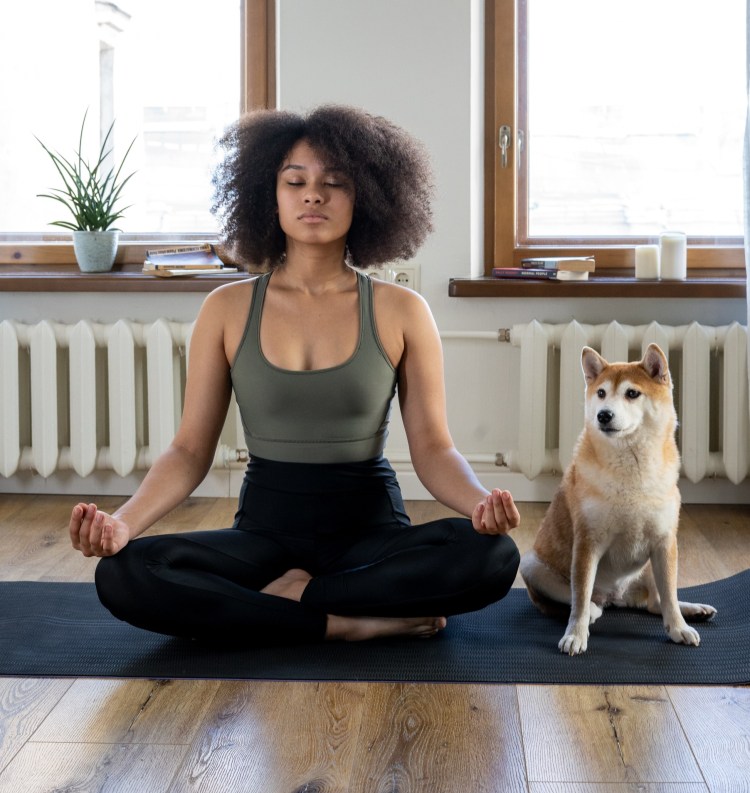
Photo by cottonbro from Pexels
Different types of meditation
- Guided meditation. For this meditation, there is a narrator or speaker who is inviting you to imagine or visualize a specific scene or even something like a colorful light surrounding you. This type of meditation is relaxing as the voice is usually gentle and soothing, and the processes the voice takes you through are usually calm and peaceful. You will usually be asked to focus on your breathing and to keep bringing your thoughts to the scene or present moment if you start to drift into other thoughts. This is the type of meditation I use the most and it often involves as many of the 5 senses as possible to activate your whole body.
- Mantra meditation. This style of meditation involves the one doing the meditation to calmly and silently chant or repeat a word, thought, or phrase as a way to prevent them from getting distracting thoughts. The goal of this one is to stay 100 percent in the present moment to completely clear your mind. In this one there is no guide or imagery just the repetition of the calming word or phrase you have chosen. I have never actually tried this style of meditation, though I can see how it would be beneficial.
- Mindfulness meditation. Mindfulness meditation is the one that everyone seems to be gravitating towards and is the one people traditionally think about when they hear the word. The main goal of this style is to stay completely aware of what is going on in the current moment and fully accepting it as it is. This is one style of meditation where the biggest focus is on the breath and the absence of thought. While doing this type of meditation different thoughts and emotions may come up, the key is not to hold onto them, but rather let them pass without placing judgment. I do practice this kind of meditation but usually, at the same time, I am doing a guided meditation.
- Qi gong. Qi Gong is a style of meditation that started in China and has stayed a form of Chinese traditional medicine all this time. This practice is a combination of multiple different components; it incorporates meditation, relaxation, physical movement, as well as breathing exercises as a way to regain and keep balance. This is probably not a type of meditation just anyone can do without special training or support from a traditional master of the practice, just like the next type of meditation Tai Chi.
- Tai chi. Tai chi isn’t a typical form of meditation and it again requires the help of a trained mentor in order to get the benefits from it. It is a style that requires dedication and discipline which is best given by a trained professional. It is a type of martial arts, but it is a very gentle and mild form that is not used in any violent way. It is self-paced and involves a series of different postures that are done slowly and gracefully as the person doing them practices deep breathing. I would be very interested in trying out this form of meditation but have not had the chance to at this time.
- Transcendental Meditation® This form of meditation is similar to Mantra meditation. Once again you will be silently repeating a mantra to yourself such as a word, sound, pr phrase, but it will be done in a specific way. With this type of meditation, the goal is for your body to reach a state of deep rest and relaxation. Your mind may reach a state of peace without requiring any type of effort or concentration. This is another form of meditation I have never actually practiced before.
- Yoga. Yoga is a type of meditation you will most likely already know about, but you may not know it is seen as a type of meditation (I know I was surprised). With this type, as I’m sure you already know, the practicing individual carries out a number of different motions and postures as a type of physical exercise that also has mental health benefits. By doing these poses you will gain more flexibility and a calm mind. The main goal with this type is that you will focus more on the present moment and less on what is to come or what has already happened. This is a very accessible form of meditation as there are multiple YouTube videos and classes you can go through just like there are multiple guided meditations available on YouTube. Yoga is another form of meditation I have practiced over the years, and I personally always get a lot of benefits out of it, I just have the problem of overextending myself one day and not wanting to keep going the following days. I definitely need more regular meditation practices.
Why should I meditate?
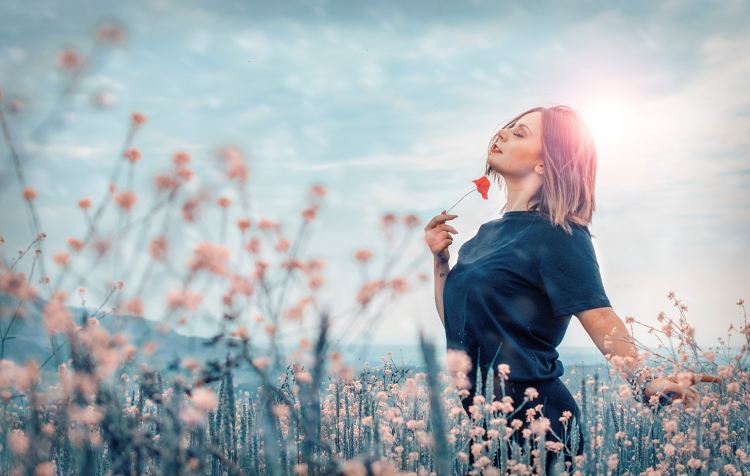
Many people who have tried regular meditation have found it to provide a wide variety of physical and mental health benefits. While not all are able to experience the positive effects, and some may have negative side effects from meditating, there are those, myself included, who believe it has a calming stress-relieving effect. On top of that, you may experience one, or all of the following emotional health benefits.
- Gaining a new perspective on stressful situations
- Building skills to manage your stress
- Increasing self-awareness
- Focusing on the present
- Reducing negative emotion
- Increasing imagination and creativity
- Increasing patience and tolerance
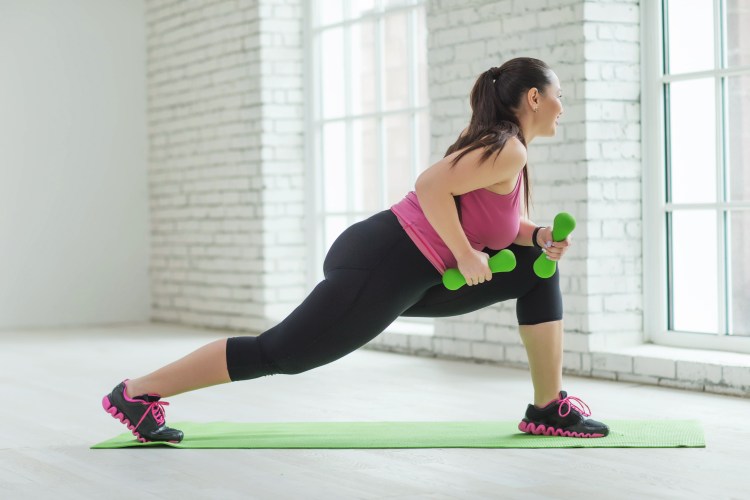
As far as physical health goes, there is a smaller but still growing group of researchers who are realizing there may even be many physical health benefits that go along with meditation. There are some researchers who feel it is too soon to make explicit claims that it absolutely heals or even helps with physical ailments. Both of these points of views should be taken into account before you begin your own meditative journey. Some of the possible physical health benefits are that it may help manage symptoms of a great number of physical illnesses like.
- Anxiety
- Asthma
- Cancer
- Chronic pain
- Depression
- Heart disease
- High blood pressure
- Irritable bowel syndrome
- Sleep problems
- Tension headaches
It should be stated that no matter what reason you do meditation it should not be used as a replacement for modern medicine, but rather it should be used in addition to treatment from qualified physical health or mental health treatment providers. Before you start any kind of meditation you should also talk to your trusted health care provider especially since it can have negative effects and can worsen some mental health conditions.
What are the risks of meditation?
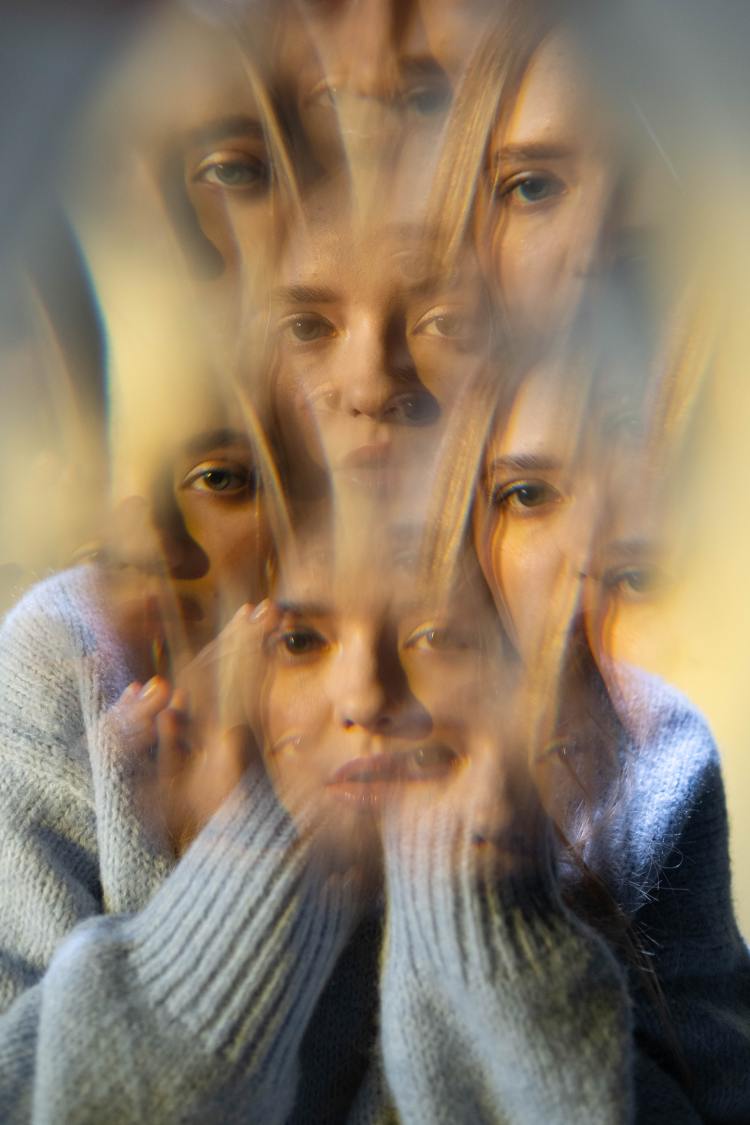
Are there risks? Well unfortunately as with anything people use or do, yes there are potential risks that come along with meditating that first-timers should be aware of before they start that way they are fully aware of everything that could happen. I would just like to say that it does seem the benefits are more commonly reached than the negative side effects. It also seems that most people who don’t feel the benefits are just most likely to not feel any change rather than to feel the bad side of things. Just because it isn’t as common for someone to have harmful side effects, doesn’t mean it is not a possible issue, nor does it mean that it should not be talked about. So here are some of the negative experiences that have been felt while meditating.
- Increase in negative thoughts
- Delusions or paranormal thinking
- Negative changes in executive function
- Changes in the way you see, smell, hear, and taste, a phenomenon that may present in hallucinations.
- Possible frustration if you try to meditate to get hallucinations, but are unable to
- Decrease in motivation and lack of interest in previous activities similar to depression
- Reliving negative emotions or memories. This can happen when the meditation brings up these thoughts and you are unable to let them pass (totally not your fault) what comes up with this can be fear, paranoia, anxiety, depression, and grief.
- This can include physical health symptoms just like how it can cause positive physical health symptoms: pain, pressure, involuntary movements, headaches, fatigue, weakness, gastrointestinal problems, and dizziness.
- You can also end up losing your sense of self people have noted a loss of agency, a loss of basic self, and a loss of ownership. Some also noted a blurring between themselves and the outside world. This loss of self is actually something many Buddhist meditators, for example, hope to achieve, though for some it can be really difficult to deal with.
When you take a minute to look at it, that does seem to be a lot of possible side effects, and it definitely is. That is why it is very important to seek professional advice before starting your journey. Don’t just go by what is popular, or what a friend says as each person’s meditation journey is unique and specific to them even if they all practice the same way. Next, I think it’s only right that we talk about ways to get the most out of your meditative practice should you decide to start.
How to get the most out of your meditative practice.
There are some common different aspects to meditation that you can expect to use should you begin your meditation practice.
- Focused attention. This is one of the most important parts. When you focus your attention on something in the present like your breathing, your mantra, or your guided visualization you are easier able to let other thoughts and emotions pass by without lingering and you are more likely to prevent yourself from having any negative thoughts or emotions from affecting you.
- Relaxed breathing. This is another major component of the positive effects of meditation. It may be shocking to hear, but there is a good chance you have been breathing wrong your whole life, especially at times you feel you are stressed or in a crisis. Typically, we tend to breathe more rapidly and shallowly especially during these times of stress. During meditation, if you have a guide helping you, you may very often hear them talk about your breathing, staying focused on the breath, and being told to take slow deep breaths. You will be told to inhale then exhale (just make sure you keep doing that even if they start talking more about the imagery right after they say inhale because I often struggle with holding my breath for too long). When you breathe deeply like this you are using the muscle called your diaphragm which is a very thin muscle under your lungs that holds everything in place. By doing these slow deep breaths you are taking in more oxygen and reducing the use of the shoulder muscles, neck muscles, and upper chest muscles which leads you to breath with more efficiency This technique involves deep, even-paced breathing using the diaphragm muscle to expand your lungs.
- A quiet place to practice. This is more of a must-have when you are still new to meditating and until you are able to grow stronger in your practice with your discipline and focus. You will also find it much easier to get into that altered state of consciousness. By quiet place, I mean with as few distractions as possible which includes all electronic devices other than for the use of playing your meditation music or guided meditations with. The more you practice, however, the more likely you will be able to meditate no matter where you are and no matter how long you have even if you are at a stressful event like a meeting, long line, or stuck in traffic.
- A comfortable position. There are no exact rules as to how to meditate, where to meditate, or in what position. For example, you can meditate while sitting, walking, lying down, or while doing different activities. There are actually a bunch of different ways you can meditate in your everyday life, and you probably even do some of these activities already. No matter what you are doing though, you are gonna want to stay as comfortable as possible so you can stay in the moment. Good posture is also important during your meditation it will help keep you supported and will help you stay more relaxed.
- Open attitude. With many other mental wellnesses and or spiritual activities you have to stay as open-minded as you can in order to see many of the results. If you are closed off or believe it’s not going to work it will most likely end up becoming a self-fulfilling prophecy where you will end up acting in a way that will cause you to not see any results. Don’t go in with too many expectations especially not as you first start because sometimes it takes a while of practicing to get into those states of altered consciousness. Despite this, you are still going to want to put as much positive energy you can into your practice. If you believe in the power of manifestation as some including myself do, you believe that the universe brings us what we mentally tell it to, meaning if you believe you are going to have a good meditation experience you will be more likely to get benefits out of meditation.
What are some ways I can meditate?
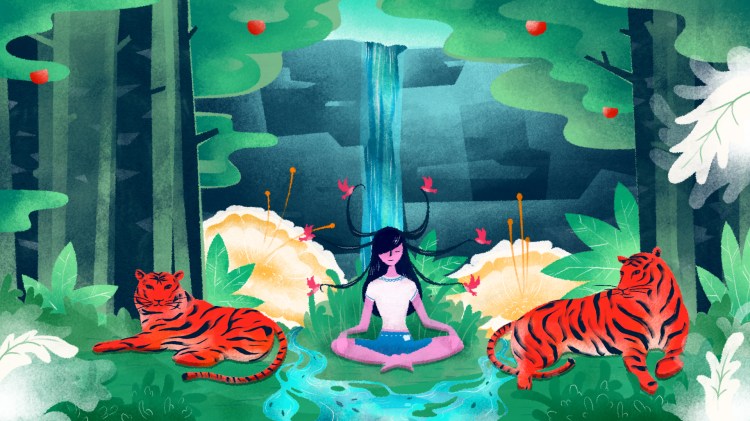
- Deep Breathing. As we talked about before, this involves slow deep breathing using the diaphragm and staying concentrated on the breath. What I forgot to mention earlier was that when you practice your breathing you inhale through your nose, and exhale through your mouth. If you feel yourself start to wander from thinking about the breathing, don’t worry or feel bad, just try to quickly catch yourself and refocus on the breathing. This is a really good technique you can use no matter where you are or what you are doing since breathing is something everyone needs to do.
- Body Scans. This is another one that you can do no matter where you are or what you are doing. For this exercise, you are going to spend some time focusing on different parts of your body from the tip of your head all the way to your tiptoes (or from your toes to your head). While you are going through each part of the body start to recognize all of the sensations going on in each area. A part may hurt notice what type of pain and how severe. A part may feel very tense especially if you are particularly stressed and hold your stress in that area. You may even feel warmth and relaxation in some parts take notice of that too. Throughout the whole process mix the deep breathing from the first way to meditate and add in the imagery of you breathing in relaxation or heat to a part of your body then exhaling negative feelings.
- Repeat a mantra. This is a type of meditation we talked about earlier, but I feel like I should let you in on a little secret. Mantras can be anything, they can already exist or you can make them up, they can be religious or spiritual for any religion or practice, or they can be secular and not tied down to any type of faith. Some examples of religious ones are the Lord’s prayer which comes from Christianity. The Holy Name of God which can be found in Judaism, or the one pretty much everyone who has heard of meditation associates with the practice, the om mantra which is used in Hinduism Buddhism, and many of the other eastern religions.
- Walking while meditating. Meditation while walking can be a bit strange especially since there are likely to be more distractions, but people get into a trance-like zone when they are driving to places, they have driven too many times before, and they end up perfectly safe. Just try to be aware of all of your surroundings as well. During this activity, you are going to slow down your walking pace so you will be able to concentrate on the individual movements of your legs and feet. The goal is not to focus on a specific destination, but rather on the movements you are taking. You can do this whenever and wherever you are walking to (I like to walk in the little nature reserve areas in my area like the one right across the street from my apartment complex). While walking and focusing you are going to keep repeating action words in your mind like the words moving, lifting, placing while you are lifting each one of your feet, moving each of your legs in front of you, and setting your foot down in preparation of the next step.
- Praying (no matter what religion or spirituality). Prayer is practiced all over the world in all different religions by millions of people every moment of every day. It may be surprising to you, or anyone else, but prayer is a meditative activity. There are written and spoken prayers in many different religions. On top of that you can pray with prayers you come up with, or by using ones that have already been created. There are many different places you can go to in order to find already made prayers like your favorite search engine (mine is Google), your personal spiritual leader at whatever religious or spiritual organization you go to, you can even look in the religious section of your favorite book store.
- Read and reflect. One thing that can be helpful for many people is to read and determine the meaning of inspirational or other types of emotionally or spiritually charged text like poems, the Holy Bible, or other types of sacred texts. Many people report that they benefit from reading poems or sacred texts and taking a few moments to quietly reflect on their meaning. You can also get these benefits from listening to any type of sacred, inspiring, or other relaxing music. It may even be helpful to keep a journal detailing your reflections, thoughts, or feelings about the material and what you believe it to mean. You can also go over the results with a trusted friend or spiritual leader.
- Focus your love and gratitude. For this style of meditation, you are going to concentrate all of your attention on a sacred being or images these can either be in-person representations or visualize images that represent your sacred being or image. when you are doing the visualization, bring in feelings and thoughts of gratefulness, love, and compassion. This is something I definitely need to do more of, but first I need to find out what I find sacred.
Final thoughts
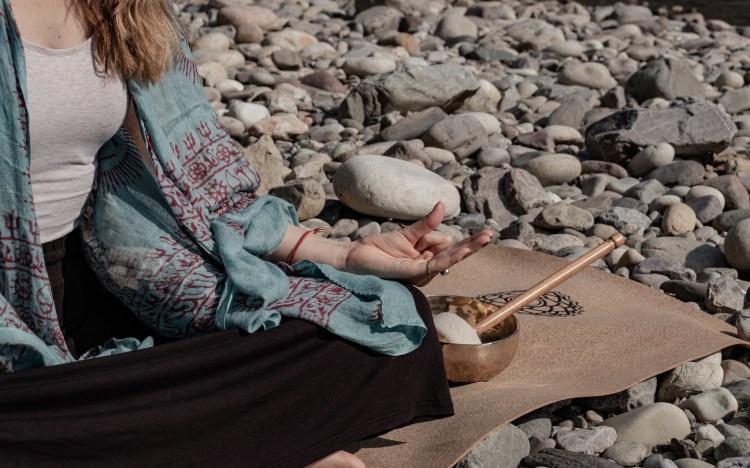
So now you know a bit more about meditation. It has been around for literally millennia as a form of spiritual practice, then found its way along the silk road and eventually all over the world still being used for spiritual purposes but having the added benefit of enhancing your mental health and possibly your physical health as well.
There are numerous mental health benefits like relieving stress and calming the mind, and there have been new research studies coming out that say it may benefit your physical health as well by relieving some of the symptoms of many different physical ailments. That honestly makes sense as our minds and bodies are so closely connected. If you are physically ill you don’t usually feel so great mentally, and our mental illnesses have been known to have physical manifestations such as stomach issues, and tension in the areas where we hold our stress (that’s why a massage can feel so painfully good).
While there can be many different benefits to meditation, there can also be some unintended side effects that can be pretty damaging. It is for this reason you should get advice from your personal licensed medical or mental health professional (or both). It is also why you should not use meditation as a replacement for true physical or mental health treatment but in addition to traditional modern medicine. You also should not be doing it just to have certain negative effects like hallucinations as it is less likely to happen if you want it to, and will just end in frustration when it doesn’t end up happening.
There are several things you can do to make the most out of your meditative practice such as journaling about your experience, meditating in a quiet environment free of distraction, and keeping an open mind. It can seem like a challenge to find time in your busy schedule to meditate, but there are many different ways to do so, and there are ways to meditate no matter where you are or what you are doing.
One common way people meditate is through prayer which is used in many different religions and spiritual practices. Some other quick ways to mediate are through body scans, mediating while you are walking, breathing exercises, and by chanting mantras to get yourself into a state of peace.
No matter why you do it, where you do it when you do it, or how you do it, meditation is a centuries-old practice that can be a restorative and stress-relieving activity to add to your everyday routine and you can do it right now for absolutely free. You don’t need any special materials or equipment, only what you absolutely want to have and what you think will help get you into a peaceful state. So I urge you right now that you are done reading this to at least make a plan and set of goals and objectives to start meditating as soon as possible.
 Mental Health Blog | Fight4mylife | United States