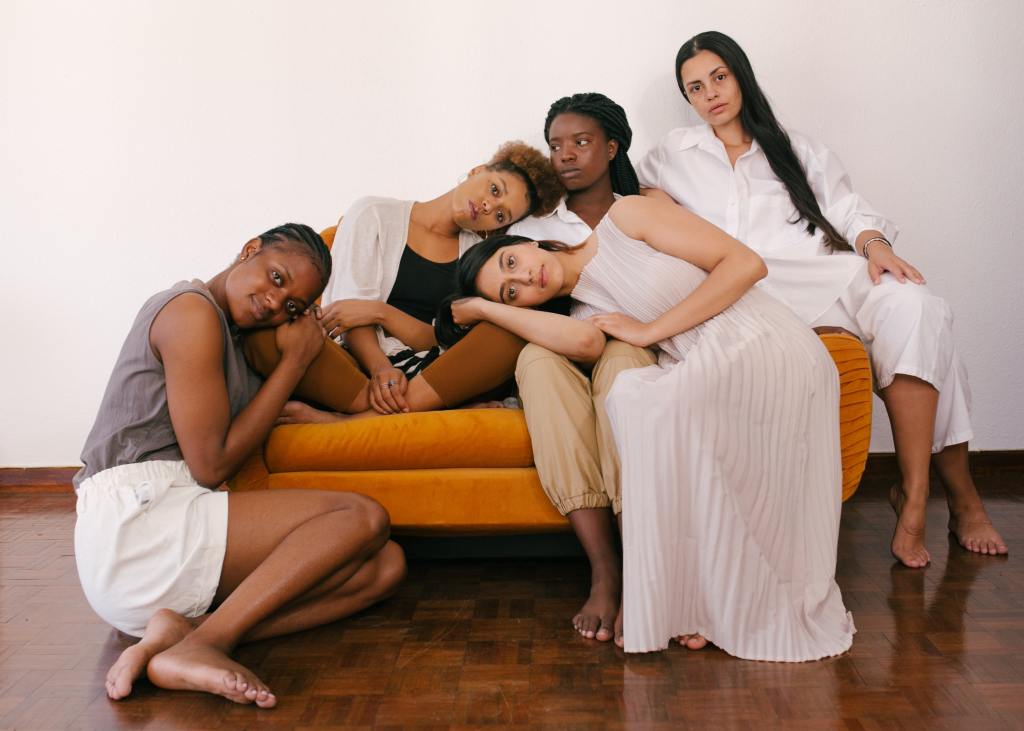
Do you feel that you have a source of support in life? Do you have a solid group of people you know you can count on? You may be wondering why I’m asking, well have you ever heard that old saying “it takes a village to raise a child”? Well, that saying is absolutely true but I’m not a parent, and this isn’t a parenting blog. So why am I mentioning it? Because that saying doesn’t stop being true when you reach adulthood. While you don’t need help being raised anymore, you do need to have a strong stable support system full of different types of positive people in your life who will be there for you in both good times and bad, and that’s what this post is about, the importance of having a positive support systemas well as tips for how to develop one if you don’t have one. We will also take a look at the importance of being a positive support for someone else and how to recognize a toxic support system. Let’s get started!
What is a support system and why does everyone need one?
A support system is a group of different people who you feel you can rely on in any situation whether you’re struggling emotionally, mentally, or with other different life challenges and stresses. Everything need not be a crisis though for you to benefit from having a support system, you can also be supported in your positive moments too. A good support system will rejoice with you during your victories as well as comfort you during your toughest battles.
There are many aspects of life that a positive support system can help you with. As I stated before, they can help you when you are feeling isolated and in the mists of a mental health crisis where you need some solid advice, a positive support system should be able to give you this. There will also be times when you are able to be their for the people in your support system. I know that I can turn to all of the people in my support system for advice, I just have different people I go to for different types of advice, or there are rare times when I will get a second opinion from multiple different people on the same issue.
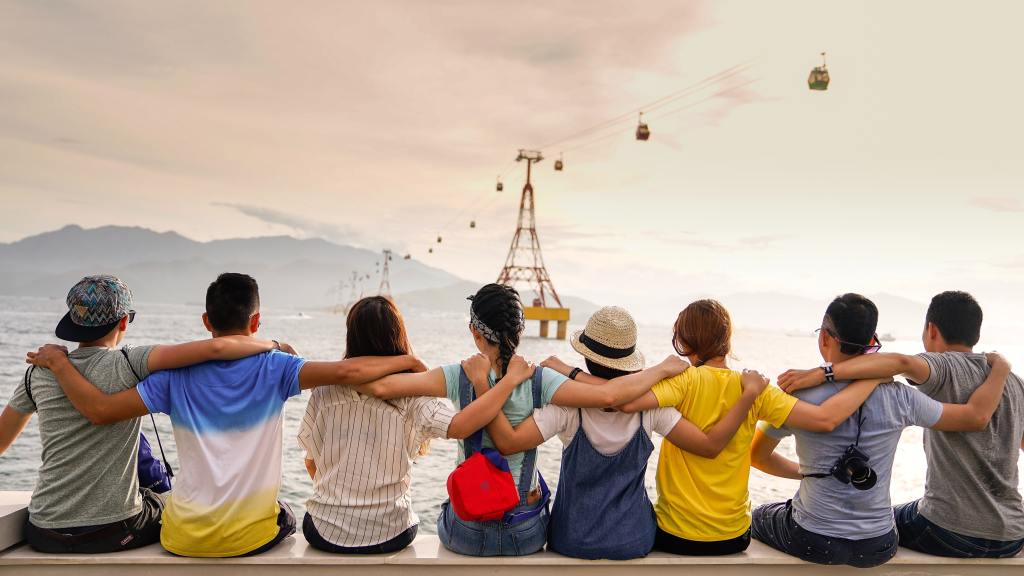
There are times when you will need to stay a bit isolated in order to deal with difficult issues that come up. I know, for example, there are times with my autism where I just feel so drained even spending time with the people I love, not because they are doing anything wrong, but because for me, being on the spectrum means that I am constantly working to determine the intentions and meanings behind everything other people do or say. This gets really exhausting real fast, especially in large groups, and I have an extremely large family. Not only do I have a large extended family, but I have 8 siblings that I am older than and some are still children, who are naturally loud and also teenagery with teenage angst.
That being said, loving and supportive people will notice things about you that you might not notice about yourself. Like, let’s say you didn’t just turn down one or two social functions, but every single one for the last couple of months (or maybe weeks depending on how active your circle is). That’s when there is definitely an issue, or at least perhaps the start of an issue that needs looking into.
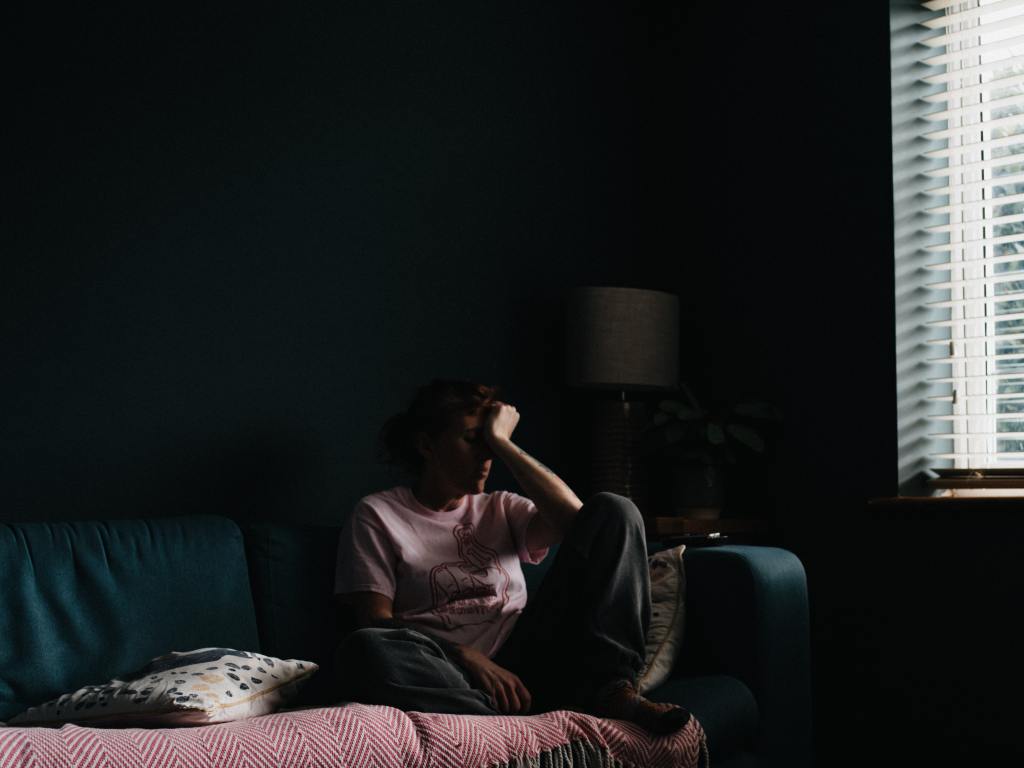
Sometimes we can want to do something that we know is bad for us, like texting our ex (STOP TEXTING HIM TRISHA, YOU’RE BETTER WITHOUT HIM). But seriously, we don’t always have our long-term health and happiness in mind, or when in the wrong crowd we may want to do one or all the bad vices. If we surround ourselves with positive, healthy people however, we will be less tempted to do the bad stuff. Like now thanks to someone in my mom’s support system who became part of mine, I’m doing shadow work instead of something dangerous… like heroin or something. (Remind me to do a blog about shadow work when I get deeper into it). The best part about being part of this kind of group is you can be a positive influence for someone else in the group who may be struggling with different temptations.
Speaking of temptations, another benefit of a healthy support system is that the people in it can be a source of healthy distraction in your hard times. I should tell you that there is difference between healthy and unhealthy distractions. Healthy distractions are things like a weekend retreat, or learning a skill or hobby together, things that will help reduce your stress levels enough to help give you the strength to tackle your problems head on. An unhealthy distraction is one where you are relying on maybe unhealthy vices like toxic substances which harm your ability to function, or other types of distractions which cause you to want to keep distracting and never solve the problem you are having. My grandpa is always providing me with healthy distractions which usually involve his adorable puppy. He may not realize he is giving me a distraction, but that’s ok, hey maybe I’ll even tell him next time.

A positive people in a positive support system will also know when it may be time to convince you to get professional help for your more serious issues that are harder to work through. They will also know how to do it in a way, that you will know they still love and support you, but that they want the best for you and don’t know how to provide that in the most professional and productive way. not because they don’t love you or want the best for you, but seriously, there are some things only a qualified health professional has the ability to do. That’s true for everyone, not just people with physical or mental illness. Like you wouldn’t go to a vet to heal a human. One might think a vet could help some how since they have some type of medical training, but the very best option would be a human doctor with experience fixing humans. The people in your support system may be good for giving you basic advice or personal analogies for how they handled similar situations, but only a certified professional is going to have the exact knowledge and experience to give you the proper help you need
Many people hear the term support systems and think it only applies to people with mental illness or who are battling with physical illnesses. While people struggling with these intense issues definitely need a positive people in their lives to support them, they are not the only ones who need to have a group of positive people in their lives. The truth is that everyone has moments where they need positive influences and a source of comfort. This is not just an illness thing; this is a human condition thing. By now you may be asking yourself do I have a support system, if I do how do I tell if it’s a beneficial one or if it is actually doing more harm than good? Well don’t worry, I’m gonna help you by explaining what a toxic support system looks like vs. what a positive healthy support system looks like in the next section.
What is the difference between a positive and negative support system?
This is a subject that we need to dig a little deeper to get the full scope of everything involved. Before we know what makes a negative support system vs. a positive support system, we first need to know what makes up a healthy person vs what makes up a toxic person.
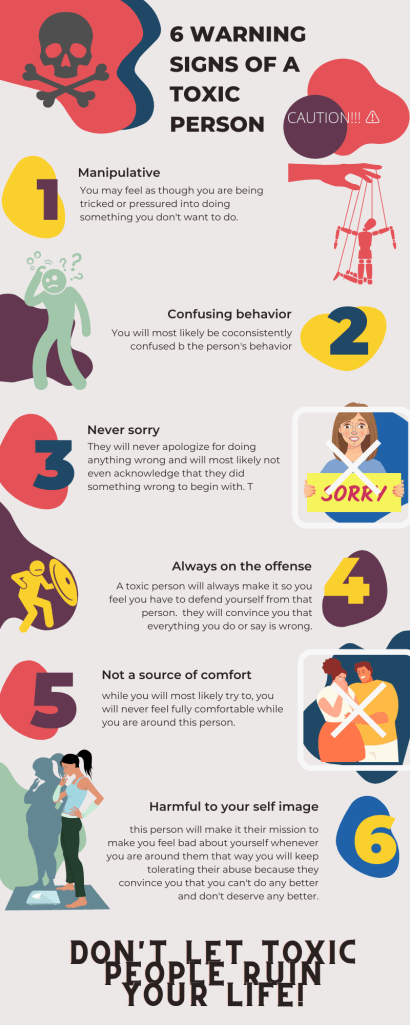
When I say healthy person vs. toxic person, I’m not trying to say anything bad about people who are sick or ill, and I don’t mean we shouldn’t love or try to support people who are sick, and while toxicity itself isn’t a mental health disorder, the people who are the most toxic are usually dealing with mental illnesses or other types of traumas and stress.
It would be wonderful if we could magically make our loved ones not toxic and help them find healthy ways to deal with their pain and trauma, but unfortunately there are people in this world who are in need of serious support that only a professional can help them with, or they know they have a problem with their lives or behavior but refuse to get the help they need. Even if they say they want to change, they make no real effort into doing so and instead hurt those around them.
I know this can be a very difficult subject for people and I understand if I sound completely heartless and judgmental, that is not what I am trying to do at all. I have many people I love who are too toxic to be around and who make me a more toxic person when I am around them. I have had to learn the tough lesson of loving them from afar to preserve myself.
I still keep the lines of communication open for if they ever do come around to the idea of getting help, (Except with the most toxic of people who are actively physically harmful) but I don’t allow them to influence me anymore. There are some people in my life who were once toxic, but who eventually were able to realize they needed help when I did cut my presence out of their lives, so you could even be enabling the toxic person without realizing it and it may be more beneficial for you to cut them out.
Now that you know what a toxic person is, let’s talk about how you can tell you’re in a toxic support system, or how to tell you lack any support.
Well actually the last part is probably pretty easy to realize, you’d know you don’t have any support if you felt there was no one to help you in your time of need or be happy with you in your times of success. But knowing how to tell you have a negative support system can be a bit harder because toxic people have a way of making you feel like you are (pardon my wording here) crazy for even daring to think they are being harmful to you. They are good at being passive aggressive and masking their mistreatment of you in a false kindness.
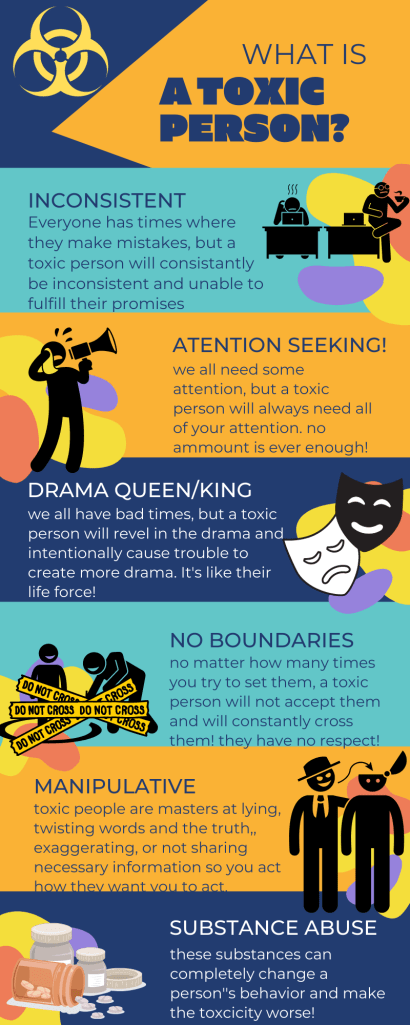
For example someone who is healthy for you would show genuine care for your health if you started rapidly gaining weight, but a toxic person would make a comment like “You know I wish I could be brave like you to eat whatever I want and not care what I look like” See this is a harmful statement, but the toxic person now has a way to make you feel shame and then guilt if you call them out on the harmful comment by reminding you that they said they thought that you were brave and they wished they could be like you.
When I began to learn this kind of stuff for myself it made it easy for me to see just how many toxic people, I had let trick me into thinking they were part of my support system (there were other types of toxicity too, this was just one example).
Many people who develop toxic support systems don’t realize that their first toxic support system was most likely formed when they were too young to even realize what a support system was, in childhood. Our childhoods, especially our early childhoods shape our entire futures, and many adults are drawn to the types of people they found themselves cared for when they were in those vulnerable stages of their lives.
Adults who grew up in dysfunctional families are especially more likely to find themselves in the presence of people who abuse and mistreat them in their everyday lives. That’s not to say people who grew up in healthy families will never be in situations where they develop toxic support systems as adults; it just means that they won’t end up unconsciously seeking those people out and they will more likely be able to tell when someone in their lives are being toxic.
Dysfunction in families occurs for a number of different causes and a dysfunctional family is one where multiples of these situations are affecting said family. This is according to the McGraw-Hill Concise Dictionary of Modern Medicine. Some different types of dysfunctional situations for you to be aware of are:
- Sibling rivalry
- Parent childhood conflicts
- Domestic violence
- Mental illness
- Single parent household
- Substance abuse or other addiction
- Extramarital affairs
- Unemployment
- Constant medical problems
- Other unavoidable life circumstances
Have I got you a bit worried? Don’t worry; these issues alone don’t make the entire family dysfunctional, but the combination of these different types of issues cause serious and damaging effects for everyone in the family. One thing these issues all have in common is they all produce extreme stress which is especially awful when you have multiple issues going on.
Some of the items on this list like mental illness and addiction also completely change the main person that is affected behaviorally; they may not realize they even have a problem making the effects even harder for them to deal with.

Because the main caregivers of the family unit can’t effectively protect or care for themselves or their children leading to behavioral changes in their children. For those families where the parents know there is a problem, they may feel great shame and helplessness. A single parent for example may be trying their best to guide and raise their family while working full time, caring for the home, and getting important self-care in too. Because of this they may turn to unhealthy vices or coping mechanisms. Even in families where there are both parents the everyday duties of life may be difficult to deal with while raising children, plus they could have been raised in abusive dysfunctional homes and not know a healthy way to parent their own kids.
All of these are just some of the examples of ways a dysfunctional family can be formed, and the chaotic environment ends up leading the children stuck in them to develop unhealthy characteristics. There are five dysfunctional family roles that children tend to take on. I think maybe it is possible to develop into more than one of the roles within one child, because as I was going through them, I felt I grew up in multiple ones.
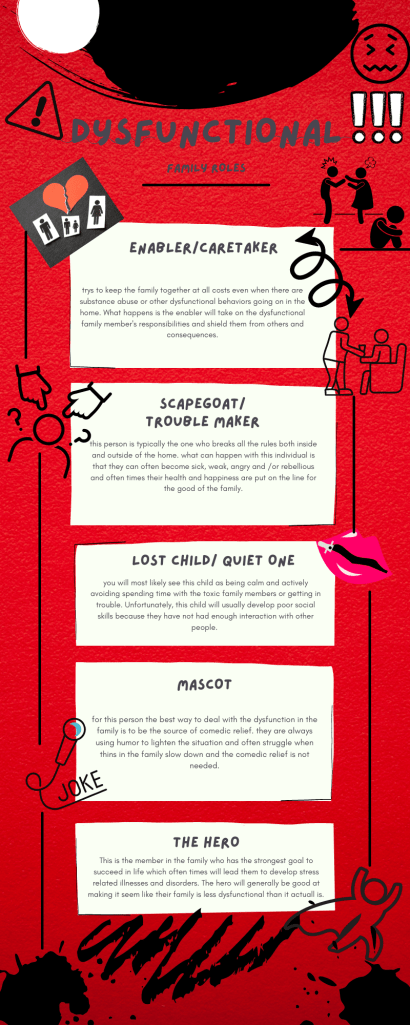
I may have worried you even more with this look at what makes a family dysfunctional. If you are just now realizing that the family you grew up in was dysfunctional, or that you are currently at the head of a dysfunctional family you may feel a sense of shame, shock, or loss. But just because it’s rainy today, doesn’t mean there is never gonna be sunshine. Just like how, just because you grew up in a toxic environment doesn’t mean you can’t develop your own positive healthy system of support. If suspect you have unhealthy behaviors which could be affecting those around you, there are so many places to go for support if you are serious about wanting to change your life, especially now with the whole world at the tips of your fingers. One place I like to go to for advice when I feel I don’t know what to do with my life is my therapist, though I know that is not available for everyone, there are resources like better help and talk space which do virtual counseling for way cheaper than in person counseling (This is not sponsored).
Now that we have talked about harmful family units, I’m gonna share some ways to determine what a healthy family looks like.
- Within healthy families there is free and open communication between everyone in the family the communication is also loving and compassionate, but firm when needed.
- There are no unmet physical or emotional needs for anyone in the family. Even if there is sickness the family is a positive system of uplifting support and encouragement
- Everyone in the family listens to each other with open minds and appreciation for everyone’s differing opinions and their unique attributes.
- There isn’t any type of passive aggressive behavior and when problems arise they are handled directly without grudges being held.
- Each child gets unconditional love regardless of their behavior. They are disciplined in a safe and healthy way, but the love stays no matter what. Also no one child is favored over the others, nor is one used as the scapegoat where all the family problems get blamed on that child
- Everyone in the family works as a team to achieve mutual goals.
- Each family member is free to develop their own personalities, preferences, interests and opinions even if someone in the family doesn’t agree. No parent is living their lives through their child.
Our first support system can really set the tone for how our entire lives play out, and how we develop our own adult systems of support; if we grew up in a positive loving home we are more likely to know our self-worth and go where we are valued and loved even when we may be in the wrong and need some guidance. We are also going to have an easier time finding these people who will be their for us in our darkest storms or our proudest moments. When we come from a negative and toxic childhood we are more likely to gravitate towards people who don’t have our best interests at heart, sucking our energy with their over-dramatic or consistently gloomy outlook, or even people who are intentionally manipulating us and causing us harm in order to make themselves feel better.
I have a lot of unique experience with both toxic and healthy support systems. As I’m sure many of you felt for yourselves, I grew up in what can be considered a dysfunctional family and toxic support system.
In my birth family my parents were separated since I was a baby and one was an addict, severely mentally ill, and first nonexistent, then verbally abusive and sexually on one occasion. This parent may have tried to do the best they could, but their best was so harmful, it is still unsafe to allow them access to my life, and I am now 27 years old. I wish that person to get healthier and realize their toxcisity but unfortunately I don’t think that will ever happen as they are still unchanged even now that they are addiction free and refusing to take their mental health medication.
The other parent started off doing the best they could while dealing with their own mental health and addiction issues. It should also be mentioned that they were both pretty young when they became parents. The parent who changed their ways also spent much of their time as a single parent and one who was emotionally hurting for reasons, they didn’t understand leading them to be drawn towards abusive partners who also physically abused that person’s children. That plus other life factors like unemployment and poverty made it nearly impossible to function in a healthy enough way to raise four children on their own.
I hold no ill will towards this person, but the fact of the matter is, all of these factors with both parents made my first living situations very toxic and dysfunctional. Things also got harder as I was ripped away from both parents as a pre-teen and sent to live in kinship foster care (Where you are not with your parents but still with biological family). Just as I was getting a bit comfortable with that (It was still very toxic and dysfunctional as I was still being sexually abused and there was addiction and domestic violence) three of my cousins, one sibling who was with me, and I were sent to live in full foster care with people who were not related to us and whom we did not know. This living environment was better, but still not ideal as there were still serious dysfunctional elements and we were eventually all separated until it was just me and my one sibling at the home, we would later get adopted in.
Why did I share that story, well to share with you how I know what I’m talking about when I say dysfunctional families can affect how we develop and how we even understand what a positive support system looks like? I was constantly abused, mistreated, and shuffled around from harmful family units all while being at crucial development stages in my life.
Because of this, I started to display toxic behaviors that I really had to work through. I ended up being like the enabler, the lost child, the mascot, and the hero all in one. That’s four of the five roles’ children in dysfunctional families take on. Besides that, my early life has deeply impacted my life as an adult. I often still question if I am worthy of a positive support system and if I am a positive support for other people, or if I have too many issues affecting my adult life to be consistently positive and optimistic. (Luckily as I was doing research for this, my adoptive mom let me know she doesn’t see me as being toxic, so it really helped me out, she’s not one to lie about that, not even to her children).
As an adult there are some things, I am extremely grateful for. I am grateful I am still alive despite all the odds. I am also grateful that I have been able to grow and develop enough realize when I am around someone who is harmful to me. One thing I need to be better at is telling the toxic person that I can no longer have them in my support system until they are willing to put in the work to heal their own traumas and find healthy ways to relieve their stress. I was able to do it with both of my biological parents which was huge, but I still constantly feel guilty when I stand up for myself and I never want to make anyone mad at me. The thing is, because of the support system I have developed now, I now have enough people around me to stand with me when one person in my system ends up displaying toxic behavior. I just recently had to let go of a few people who I never dreamed I’d have to say goodbye to. The door is still open, but it’s the screen door… and its locked.
Well now you know why you need a support system looks like, what toxic people and toxic support systems look like, what a healthy family and support system looks like, and a little bit of my personal experience with the whole subject, but what I haven’t told you yet, is how to form a support system. Let me get to that right now!
There is literally potential for members of a support system everywhere! At the park, at they gym, different events and functions people regularly find themselves attending.
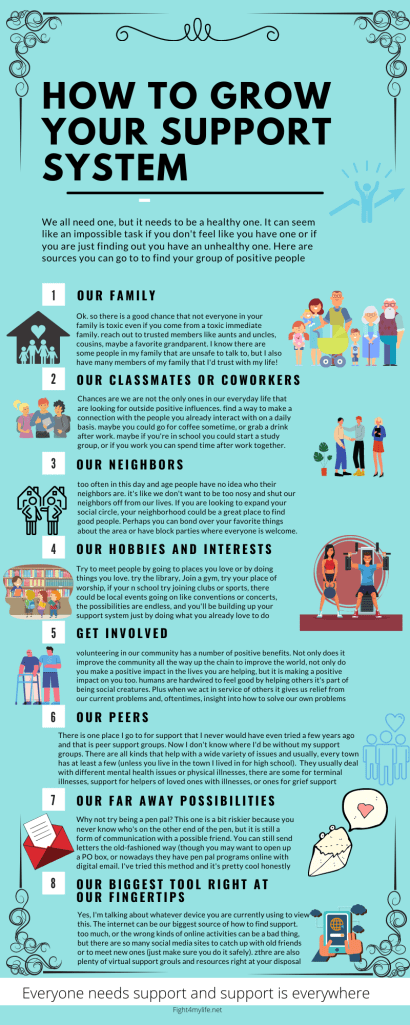
Just think of how easy it is for kids to make friends. I’ve seen kids’ bond over the characters on their shirts and backpacks. Sure those friendships don’t always make it to adulthood, but for those children, those friendships are part of their support systems even if just for a while. Here are some examples of places you can turn to if you are feeling you really lack a meaningful and well balanced, positive support system.
Ok, so let’s say you already feel like you have the strongest support system you could possibly have, and you feel there is nothing else you can do to make it any better. After reading this post, or maybe you were already wondering, you may be wondering how you can ensure your relationships stay healthy. This is an important part in being supported in your time of need, nurturing your relationships. As I have already said, we all need support and comfort sometimes.
Even if you feel the people in your support system are strong are the strongest people in the world, there will be times where they will need to lean on you, or times where no one is leaning on anyone. In these times though, you are still gonna want to spend time with the people who make you feel so good, you are still gonna want them to know they are loved and valued (that is if you are not a toxic person yourself). This is why continuing to strengthen your bonds and care for each other with mutual give and take is going to be essential for the rest of your lives. There are all kinds of ways we can foster happy and healthy relationships with the people who are already in our support network.
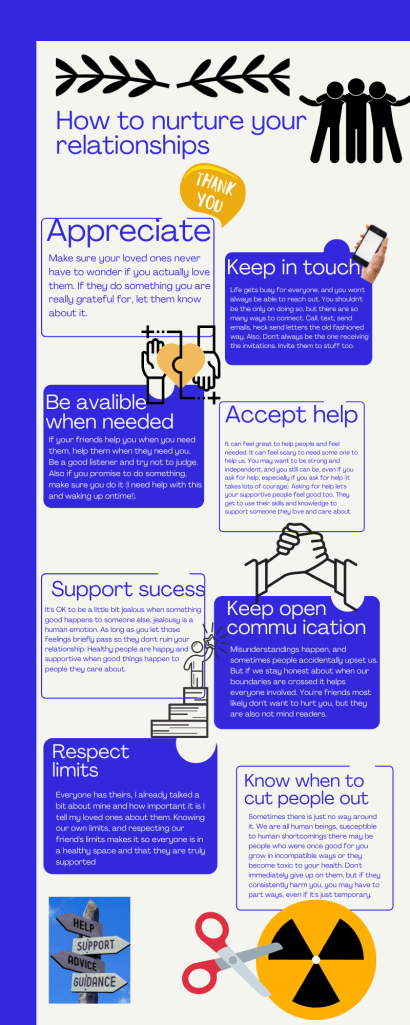
So now you know all about support systems, how to tell the good from the bad, ways to develop a support system, why it’s important to have one and be supportive to others, and ways that you can keep your current supportive relationships healthy ones. You now know everything, or at least everything that I can currently teach you with my current level of experience, knowledge and understanding. So don’t be afraid, get out there and form your own supportive network, or spend some time with the people in your current one. And if you are starting to suspect you may be one of the toxic people in someone’s system, well it’s not to late to seek professional help or to take baby steps to begin the process of healing. If you feel there are people in your own system who are causing you more harm than good, sit down and have an honest chat with them about it. They may not even know they are doing anything wrong, and if they do know but are unwilling to change, don’t be afraid to let them know there can’t be a place for them in your supportive circle until they come to a point where they are ready to heal.
 Mental Health Blog | Fight4mylife | United States
I am an introvert and don’t usually interact with people much. But during my pregnancy and after, the Village helped me in ways I didn’t know I needed. I am forever grateful I had that support!
LikeLiked by 1 person